

 By -
Jigar Davda
By -
Jigar Davda Shopify Website Development
 19-August-2025
D2C Fashion on Shopify: Theme Strategies, Size Guides, UGC, and Return UX
D2C fashion wins on experience: fast pages, confidence‑building PDPs, and frictionless post‑purchase flows that turn first‑time buyers into repeat customers. Shopify provides the foundation, but the edge comes from execution—choosing the right theme strategy, creating trustworthy size guides, operationalizing UGC, and designing return UX that reduces refunds and protects lifetime value. For brands partnering with a Shopify development company or a dedicated Shopify web developer in Mumbai or across India, these pillars form the blueprint for scalable growth.
Table of Contents
- Theme Strategies Built for Fashion Conversion
- Size Guides That Reduce Returns (and Boost Confidence)
- UGC That Sells: Reviews, Photos, and Creator Content
- Return UX That Protects LTV (Not Just Refunds)
- Tech Stack Essentials for D2C Fashion on Shopify
- See It in Action: WooCommerce to Shopify Fashion Case Study
- Conclusion
- Frequently Asked Questions (FAQ)
Theme Strategies Built for Fashion Conversion
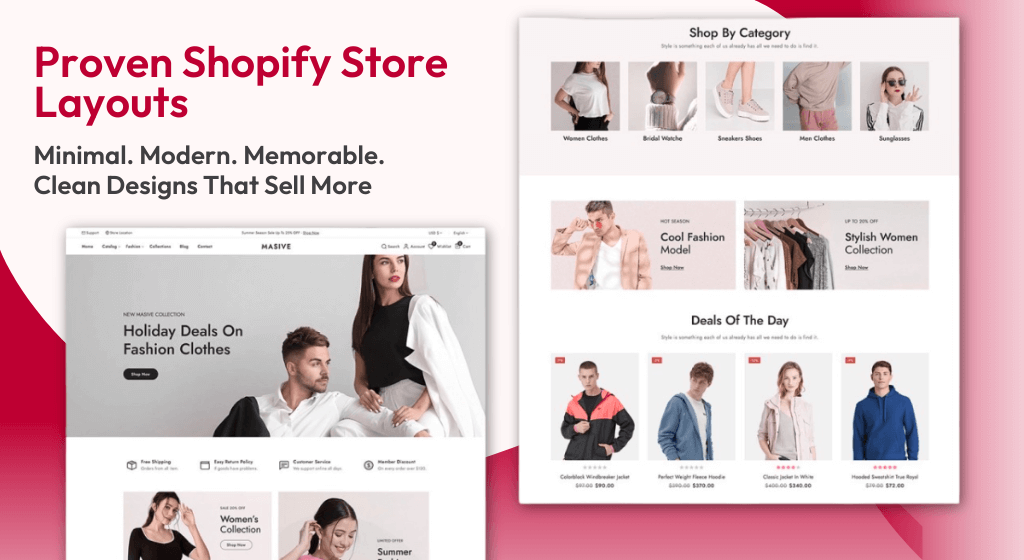
Selecting a theme is a CRO decision that affects speed, UX, and merchandising. A seasoned Shopify expert or Shopify development service can help you get this right from day one.
Start with a performance-first base: Online Store 2.0 themes like Dawn or fashion-focused options such as Prestige, Habitat, or Motion are ideal for image-heavy catalogs.
Prioritize modular sections: Ensure flexible sections/blocks for product storytelling—fabric callouts, care details, sustainability badges, and lookbook modules.
Optimize visual hierarchy: Use bold hero imagery, clear variant selectors, and a persistent “Add to Cart.” Keep price, size, and delivery info above the fold.
Maintain speed under load: Compress media, use next‑gen formats, lazy-load below-the-fold content, and limit heavy apps that inject JavaScript.
Merchandising tools to enable:
True-to-life color swatches.
Shop-the-look bundles for AOV lift.
Recently viewed and complementary products.
Back-in-stock alerts + waitlists for OOS items.
Size Guides That Reduce Returns (and Boost Confidence)
Fit uncertainty is a top reason for cart abandonment in fashion. Treat your size guide like a conversion feature—something a strong Shopify development service will build into every PDP.
Create product-specific size charts: Map measurements by category (tops, bottoms, dresses) and by fit (slim/relaxed/oversized).
Use body‑measurement education: Add visual steps for chest/waist/hips/inseam with diagrams or short GIFs; include a “How to measure” micro‑modal near the size selector.
Add fit predictor logic: If you’re not using a sizing tool, use conditional messaging like “Most customers with a 32in waist choose M.”
Persist fit notes near the CTA: “Runs small—consider sizing up.” Keep this next to the size selector.
Collect post‑purchase fit feedback: Ask “True to size?” in review requests and surface trends as PDP badges over time.
UGC That Sells: Reviews, Photos, and Creator Content
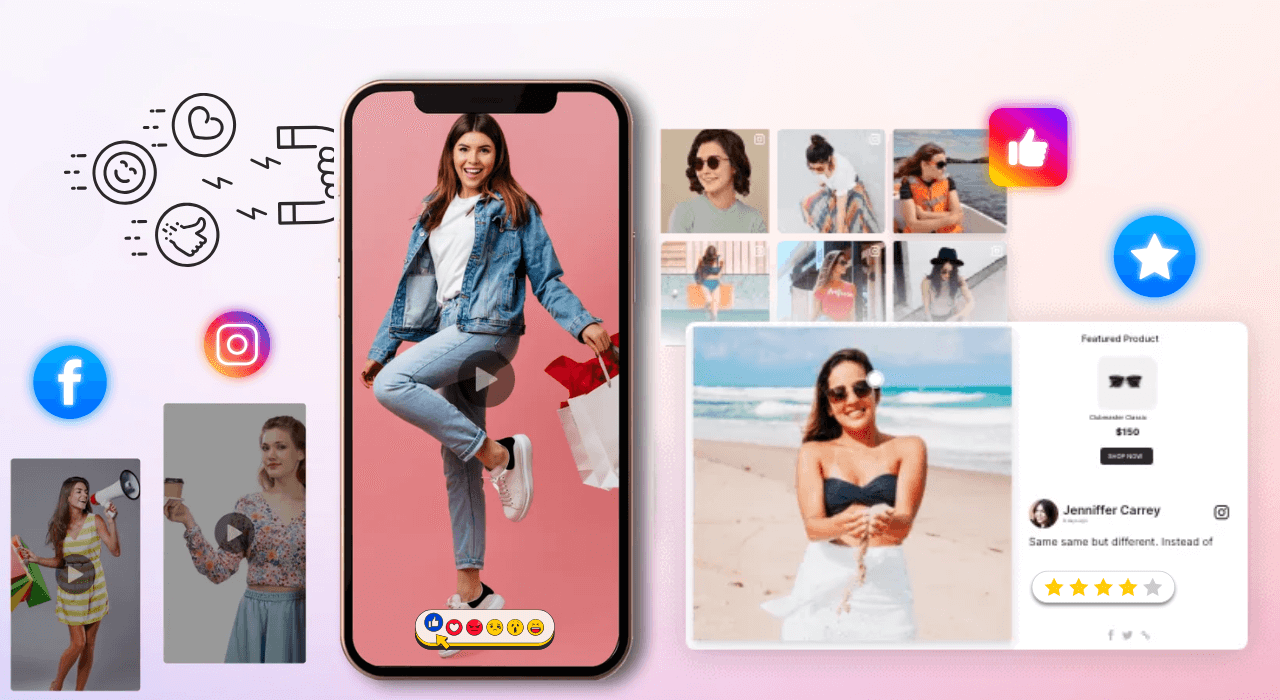
User-generated content (UGC) reduces perceived risk and lifts conversion—especially with real-body photos and sizing context. A Shopify expert can help operationalize this with the right apps and workflow.
Implement review schema + filters: Let shoppers filter by size, height, and body type; pin “most helpful” at the top.
Showcase customer photos: Add a photo carousel above the fold; incentivize photo reviews.
Integrate Instagram/TikTok galleries: Curate shoppable UGC by collection (e.g., “Summer Linen Looks”), tagged to products.
Creator seeding program: Send samples, provide a shot list, and re‑license content for ads and PDPs.
UGC guardrails: Moderate for brand safety, require disclosure for creator content, and label retouched imagery.
Return UX That Protects LTV (Not Just Refunds)
Returns are a loyalty touchpoint. Design clear policies, self‑serve flows, and exchange-first options to save the sale. A Shopify development company can implement a robust return portal that aligns with operations in Mumbai and pan‑India logistics.
Transparent policy on PDP and cart: Summarize window, condition, and fees near the CTA; link the full policy in a modal.
Self‑serve returns portal: Offer size/color exchanges, instant store credit, and printable labels; sync RMA statuses with email/SMS.
Smart exchange incentives: Extra 10% for store credit, free shipping on exchanges, low-friction variant swaps.
Tag root-cause reasons: Track reasons (too small, fabric feel) to improve products; adjust size notes when patterns emerge.
Fraud/abuse controls: Track return frequency, flag anomalies, and gate free returns to loyalty tiers.
Tech Stack Essentials for D2C Fashion on Shopify
Keep the app stack lean; emphasize performance and maintainability—an area where a senior Shopify web developer or Shopify expert adds significant value.
Reviews/UGC: Judge.me, Okendo, or Yotpo for attributes and media.
Size guides: Clean metafields or a lightweight sizing app; attach per-product charts.
PDP UX: Bundles, shop‑the‑look, and back‑in‑stock with minimal script footprint.
Search and merchandising: Shopify Search & Discovery; upgrade only for very large catalogs.
Performance: Image/CDN optimization, script control, and quarterly audits to trim unused code.
See It in Action: WooCommerce to Shopify Fashion Case Study
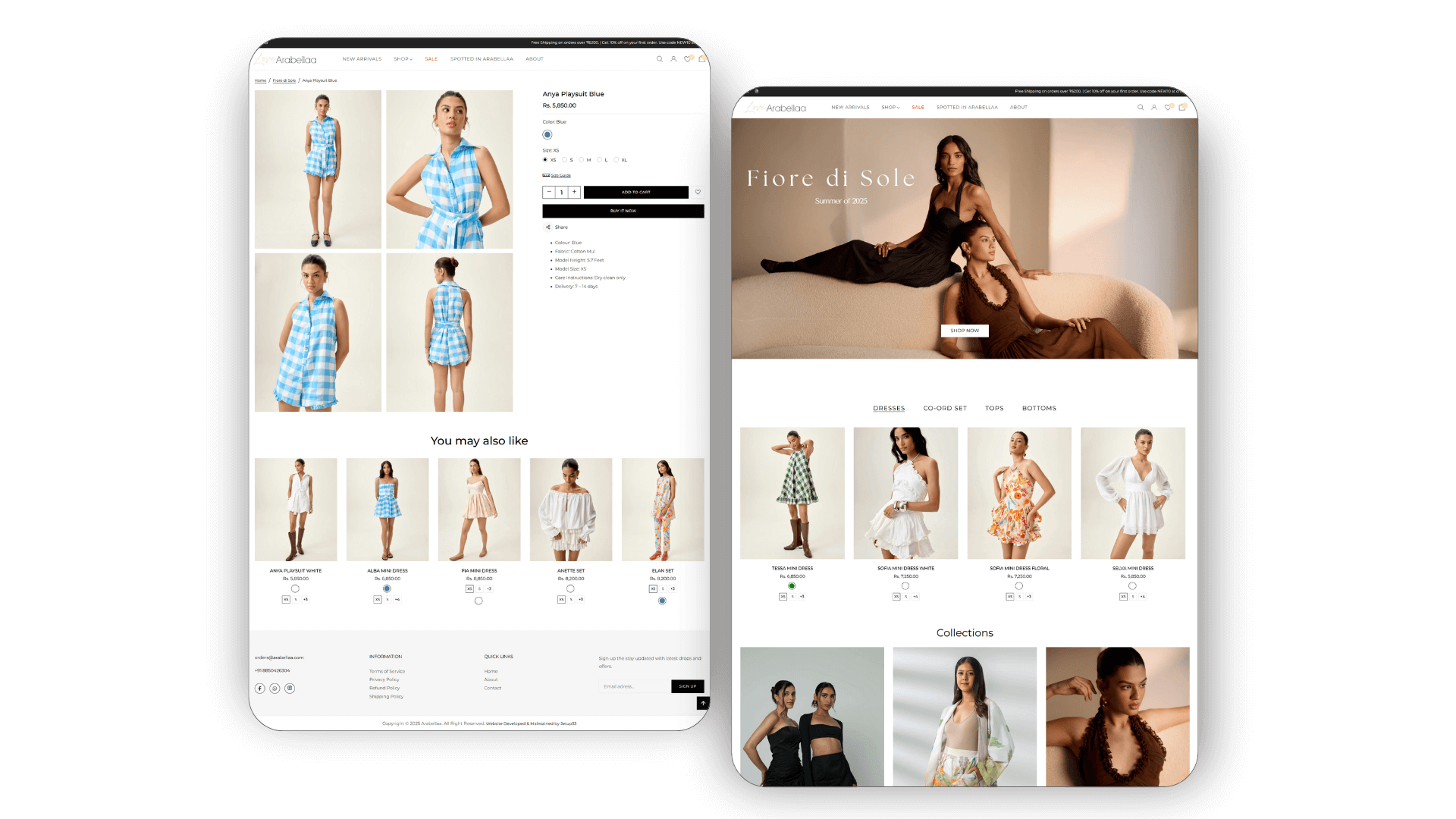
We migrated a fashion brand from WooCommerce to Shopify—consolidating plugins, improving speed, and deploying product‑specific size guides and UGC‑first PDPs—leading to higher conversion rates and fewer fit‑related returns. Read the full journey and results in our case study: WooCommerce to Shopify Fashion Migration. For D2C brands in Mumbai or anywhere in India evaluating a Shopify development company, this case study shows the impact of a performance‑led approach end‑to‑end.
Conclusion
D2C fashion growth on Shopify is a systems game: a lightweight theme tuned for speed, size guides that remove fit anxiety, UGC that builds trust, and return UX that retains revenue. Whether partnering with a Shopify development service in Mumbai or scaling across India, implementing this stack boosts conversions now and compounds value over time through better data, smarter merchandising, and loyal customers who come back for the next drop.
Looking for a Shopify development company you can trust? Our Shopify experts and Shopify web developers in Mumbai, India design fast themes, conversion‑focused size guides, UGC systems, and return UX that protects LTV. Get a free Shopify fashion UX audit today.
Frequently Asked Questions (FAQ)
A performance‑first, Online Store 2.0 theme like Dawn, Prestige, or Motion works well; prioritize speed, flexible sections, and strong PDP layouts over heavy animations. Work with a Shopify expert to fine‑tune performance and merchandising.
Use Shopify metafields or a sizing app to attach category‑ or product‑specific charts; add measurement visuals and persistent fit notes next to size selectors. A Shopify web developer can automate chart assignment by product type.
Photo reviews with size/height attributes, creator looks tagged to products, and shoppable social galleries. Ensure moderation and re‑licensing for ads. Your Shopify development service can implement the right review schema and filters.
Offer exchange‑first flows, instant store credit bonuses, and frictionless variant swaps. Analyze return reasons to improve size guidance and reduce future returns—especially important for India‑wide shipping and COD scenarios.
Yes—minimize your app count, audit scripts quarterly, prefer native sections/metafields, and consolidate overlapping features to protect Core Web Vitals. A seasoned Shopify development company will keep your stack lean.

